
001 OUR MATERIALS
We have nothing to hide, therefore we are 100% transparent. It dosent mean that we are perfect, but we belive you have the right to know what you’re wearing. Thats why we made this page with information about every fabric we are using, the good and the bad.
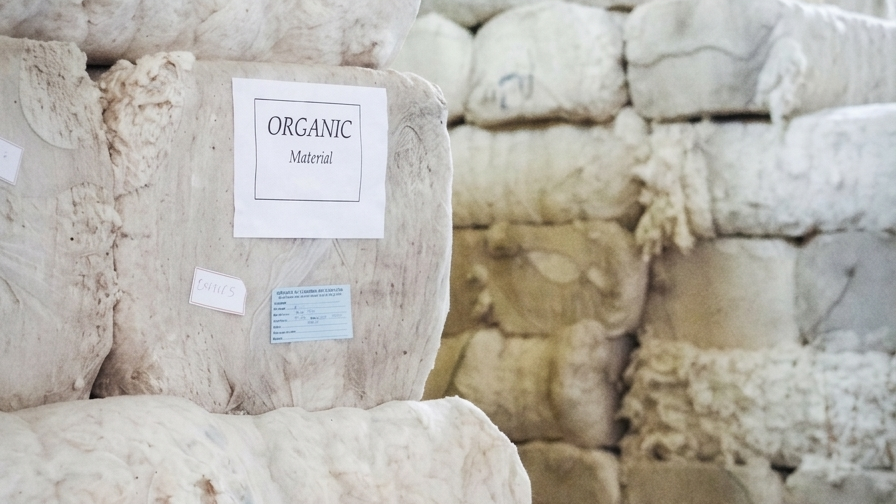
COTTON & ORGANIC COTTON
Cotton comes from the soft fibers that grow around the seeds of the cotton plant. After the cotton is harvested, the fibers are cleaned, spun into yarn, and woven or knitted into fabric. Since the fiber itself is not chemically transformed during this process, cotton can remain a fully natural textile fiber.
However, regular cotton farming can often rely on synthetic pesticides, fertilizers, and intensive water use to maintain large-scale production. Organic cotton is grown using farming methods that prioritize environmental balance and soil health. Its always cultivated without the use of synthetic pesticides, herbicides, or genetically modified seeds. Instead, farmers rely on natural processes such as crop rotation and biological pest control to support healthy crops.
Cotton is known for its comfort, breathability, and versatility. The fabric allows air to circulate easily, helping regulate temperature and making it comfortable to wear in many different climates. It is also gentle on the skin and well suited for everyday garments.
As a natural fiber, cotton can require a bit more careful care than many synthetic materials. Cotton garments may shrink if washed at high temperatures and can lose their shape if exposed to excessive heat during drying. Washing in cooler water and air drying when possible can help maintain the garment’s shape, softness, and lifespan.
MODAL
Modal is a soft fiber made from beech tree pulp, a renewable natural resource. Beech trees grow in large, self-sustaining forests and typically require little irrigation or artificial cultivation, which makes them an attractive raw material for textiles.
To create modal fabric, the cellulose from the beech wood is extracted and transformed into fibers through a manufacturing process. During this process, the natural wood pulp is dissolved and spun into fine threads that can be woven into fabric. Because the fiber begins as a natural fiber but is processed to create the final textile, modal is considered a semi-synthetic material.
One of the reasons modal is so widely loved is its exceptional softness and durability. The fabric feels smooth and lightweight against the skin, drapes beautifully, and maintains its shape and softness even after many washes. Modal fibers are also known for being breathable and for absorbing moisture effectively, which helps keep the wearer comfortable throughout the day.
Compared to many other fibers in the same category, modal is often produced using more efficient processes, and our manufacturer use systems that recycle water and processing materials to reduce environmental impact.
BAMBOO
Bamboo is one of the fastest-growing plants in the world, it requires less water than many traditional crops, and often without the need for pesticides.
For bamboo to become fabric the plant is first broken down into pulp and then transformed into a soft fiber through a manufacturing process. During this process, the natural bamboo cellulose is dissolved and spun into smooth threads that can be woven into fabric.
Because of this transformation, bamboo is considered a semi-synthetic fiber. It begins as a natural plant, but it goes through a chemical process to become the soft, wearable material used in garments.
The result is a fabric known for its exceptional softness, breathability, and fluid drape. Bamboo textiles feel smooth against the skin, help regulate temperature, and wick moisture away from the body, making them comfortable to wear throughout the day. These qualities make bamboo fabrics especially popular for garments designed for comfort, movement, and everyday wear.
ELASTANE
In many of our fabrics, you will often see around 5% elastane added to the blend. This small percentage is needed to make the clothing stretchy. It also helps fabrics maintain their shape and prevents garments from becoming loose over time.
Unlike fibers such as cotton or modal, elastane is fully synthetic and produced through a chemical manufacturing process.
At FLÖRA, elastane is used thoughtfully and in the smallest amounts possible.
PS: You will also find that each product description includes details about the fabric composition and the percentage of every material used.